
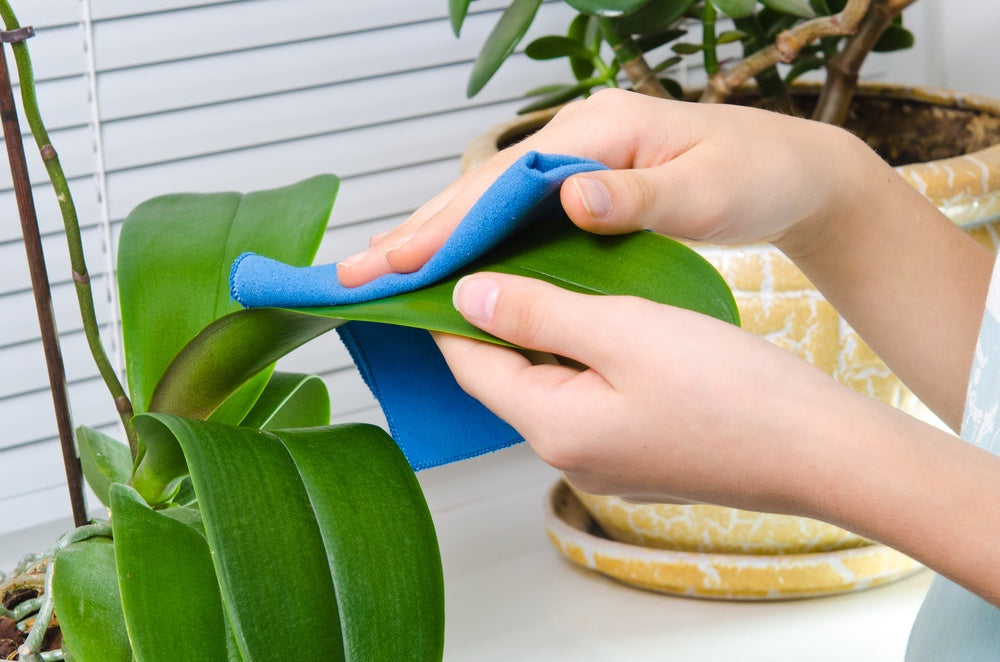
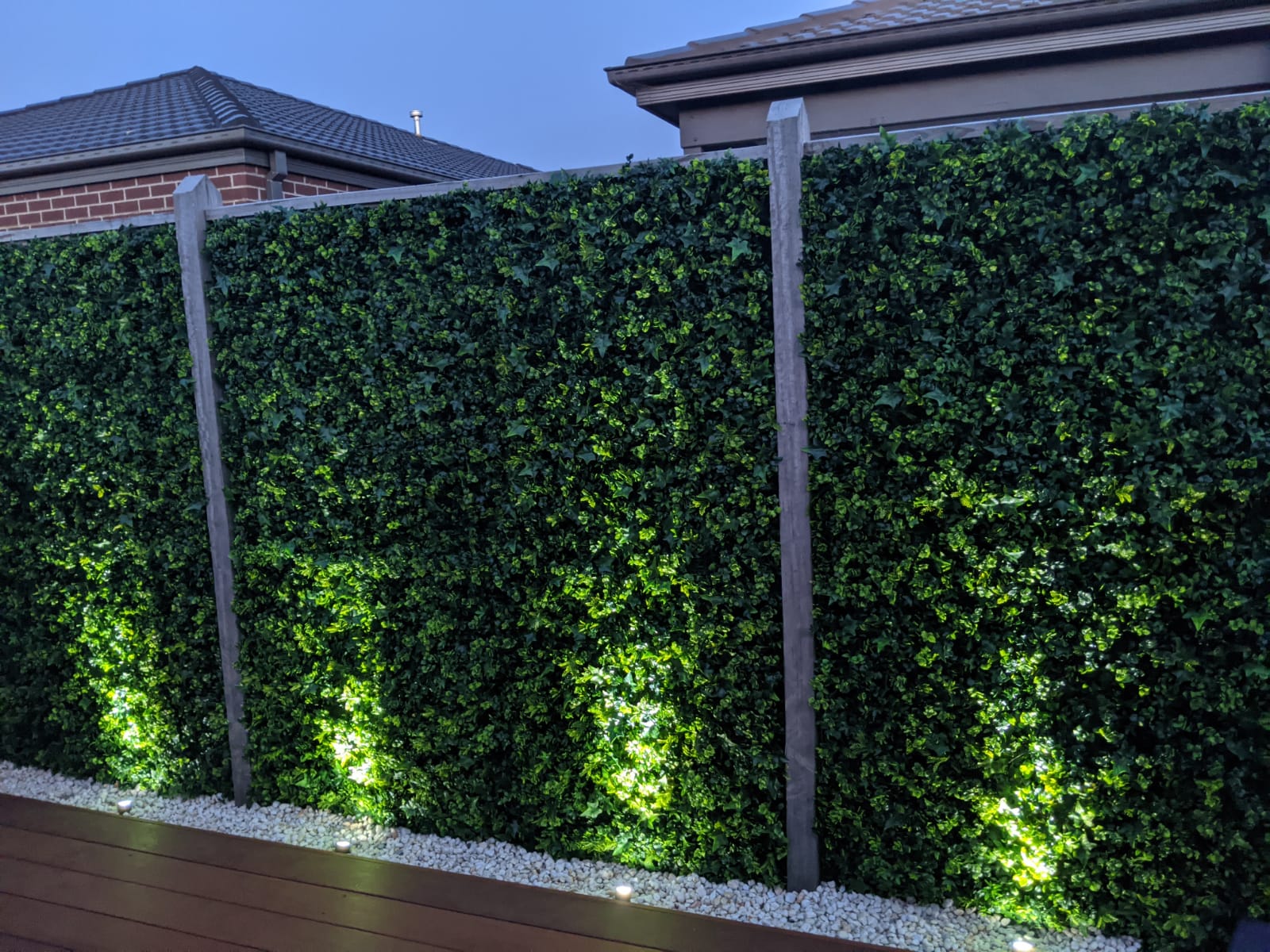
¿Su pared verde artificial se ve más "falsa" que "verde"?
Puede ser molesto, pero no es una sentencia de muerte para tu falso señor porque todavía hay una salida. Aunque la vegetación artificial no requiere el mismo nivel de atención y mantenimiento que su contraparte natural, no debe descuidar su mantenimiento.
Pero con una combinación de herramientas y técnicas, puede revivir sus paneles de jardín verticales falsos y hacerlos brillar como los faros de belleza botánica que son.
¡Vamos a la raíz de esto!
¿Por qué limpiar sus paredes verdes artificiales?
De manera similar a cómo un jardín real necesita el cuidado y la atención adecuados (y un par de horas de investigación) para florecer, las paredes verdes artificiales quieren lo mismo. Y no, mantener y limpiar fauxliege no es una tarea tan ardua como la jardinería, pero eso no significa que debas pasarla por alto por completo.
Descuidar su mantenimiento en última instancia conduce a una acumulación de polvo y suciedad y deja las hojas que alguna vez brillaron como reliquias olvidadas en un invernadero abandonado. Al igual que una obra de arte que necesita ser preservada y restaurada para no perder su brillo, una pared verde falsa puede desvanecerse mucho antes de tiempo (a menos que elija un panel de pared verde a prueba de UV de alta calidad como el que tenemos disponible) sin el mantenimiento adecuado .
Y después de leer el proceso de limpieza paso a paso, se preguntará por qué intentaría dejar de hacerlo.
¿Cómo limpiar una pared verde falsa?
Before doing anything, you must differentiate between silk and plastic plants. While both require regular cleaning, silk plants are more delicate and do better with gentler methods.
Silk greenery, such as our expendable faux English laurel privacy fence, isn’t a fan of water, so it’s best not to get it wet as it will damage the leaves. For now though, kickstart your cleaning journey by stocking up on supplies like:
- A feather duster
- A microfiber or regular washcloth
- Window cleaner or multi-purpose spray cleaner
- A small bowl or bucket
- Warm water
Download Your Free Guide on How to Clean You Artificial Plant or Green Wall
Download Your Free Guide
Limpieza de jardines verticales falsos de seda
Con seda fauxliege, su rutina de limpieza debe seguir diferentes pasos y pautas para garantizar la integridad de las delicadas hojas. Dado que a las plantas de seda no les gusta mojarse, debe abstenerse de usar paños húmedos o limpiadores de ventanas. En su lugar, un cepillo de cerdas suaves, un paño de microfibra seco o un plumero serían ideales para eliminar la acumulación de polvo y suciedad.
Una regla general es comenzar a cepillar desde la parte superior y avanzar hacia la parte inferior para evitar que la suciedad caiga sobre las hojas que ya ha limpiado.
Una alternativa sería usar aire comprimido para eliminar los escombros de las áreas de difícil acceso. Recuerde configurar el secador de pelo para que se enfríe para evitar dañar las hojas y los tallos. ¡Y prepárate para el polvo volando por todas partes!
Limpieza de jardines verticales falsos de plástico
La vegetación de plástico, por otro lado, puede resistir una limpieza más vigorosa (aunque no debería descargar toda su frustración en ella). Como mencionamos anteriormente, necesitará un limpiador en aerosol para limpiar la suciedad y la suciedad. Pero antes de comprar su limpiador, asegúrese de que no contenga productos químicos agresivos o abrasivos que puedan dañar la superficie de la planta.

Pick Away Debris
Retire cualquier residuo más grande que pueda estar adherido a su fauxliege antes de limpiarlo. Dependiendo de dónde se asiente la pared verde falsa, las hojas y los tallos pueden caerse debido a los vientos huracanados o los aguaceros. Usa tus manos o un par de pinzas para quitar cualquier residuo visible y quitar la suciedad o mugre que se pueda haber acumulado.

Dust Your Greenery
Después de quitar los escombros sueltos, desempolve su jardín vertical artificial con un cepillo de cerdas suaves, un paño o un plumero. Ingrese a todos los rincones y grietas y tenga en cuenta que la microfibra generalmente recoge el polvo mejor que los paños regulares, aunque estos últimos aún harán el trabajo. Si hay rincones a los que no puede llegar, saque el secador de pelo y sople el polvo.

Use Spray Cleaner
Ahora, use cualquier limpiador de ventanas suave o un limpiador en aerosol multiusos para darle a su vegetación artificial una limpieza profunda. Rocíe directamente sobre la pared y cubra todas las áreas de manera uniforme. Nunca sumerja las hojas en una solución de limpieza o productos químicos agresivos, ya que el color se desvanecerá mucho más rápido y dañará la integridad del material.

Wash The Spray Off
Una vez que haya rociado sus paneles de jardín verticales falsos, dele tiempo para que haga su magia, idealmente unos 10 o 15 minutos . Luego, toma el recipiente lleno de agua tibia y retira el producto de limpieza de cada hoja. Alternativamente, puede usar una manguera o un cabezal de ducha con un chorro suave para lavar el rocío o limpiarlo delicadamente con un paño húmedo.

Wipe With a Dry Cloth
Finalmente, use un paño seco para limpiar suavemente las hojas y eliminar la humedad restante. Seque bien su fauxliege para evitar que se acumulen manchas de agua. Y si su vegetación no es resistente a los rayos UV, asegúrese de usar aerosol UV con regularidad. Pero si compra un jardín vertical artificial de Designer Plants , obtendrá protección UV incorporada, por lo que es una cosa menos de qué preocuparse.
Cleaning Artificial Plants and Trees
Keeping artificial plants and trees dust-free is simple. Start with a feather duster, soft brush, or microfiber cloth, working from the top down to remove dust from leaves, branches, and stems.
For stubborn dirt, apply a light mist of artificial plant cleaner and gently wipe the leaves. Always spot-test first and avoid soaking delicate foliage.
Cleaning Outdoor Artificial Plants
Outdoor artificial plants collect dust, pollen, and debris. Start by brushing away loose dirt, then wipe the foliage with a soft cloth and suitable artificial plant cleaner. For plastic greenery, gently rinse with water if needed and allow it to air dry.
What Not to Use on Artificial Plants
Using the wrong cleaning products can damage artificial foliage, strip protective coatings, and cause premature fading. To keep your greenery looking its best, avoid:
Alcohol-based cleaners and disinfectant sprays
Bleach, ammonia, and harsh household chemicals
Solvents such as acetone and paint thinner
Abrasive sponges, scouring pads, and stiff brushes
Pressure washers and high-pressure water jets
Hot water and excessive soaking, especially on delicate foliage
For the safest results, use a soft cloth and a cleaning solution specifically designed for artificial greenery. Always test new products on a small, hidden area first.
How Often Should You Clean an Artificial Green Wall?
Cleaning your fake greenery should be a habit you develop as soon as you buy your first luscious panel. Luckily, you don’t have to adhere to a strong timeline, as artificial greenery should be cleaned on an as-needed basis. So, when you notice the leaves losing their shine, that’s your sign to pick up the cleaning supplies.
How often you’ll need to clean your greenery mainly depends on where your faux garden sits. Outdoor fauxliege may need to be cleaned more frequently due to exposure to the elements, so you may be dusting it at least once a month.
On the other hand, if your fake garden is inside and doesn’t collect much dust and dirt, you might need to clean it once in a couple of months. But if it’s in high–traffic areas, such as a lobby or an office, dust might build up quicker.
All in all, keep an eye on it. Soon enough, you’ll effectively determine when it’s time for a wipe-down.
Finishing Thoughts
Mantener sus paneles de pared verdes falsos con un aspecto fresco y vibrante durante los próximos años requiere poco más que quitar el polvo y limpiarlos ocasionalmente. En última instancia, es importante ser cuidadoso y usar las herramientas y los aerosoles adecuados para el trabajo.
¡Tu fauxliege te recompensará con una belleza revitalizante que no encontrarás en ningún otro lugar!
Frequently Asked Questions
The best way to clean artificial plants is to remove loose dust first, then use a gentle cleaner designed specifically for artificial foliage. Start with a microfiber cloth, feather duster, or soft brush and work from the top of the plant downward so dust does not fall onto areas you have already cleaned.
For a deeper clean, lightly mist the foliage rather than soaking it. Wipe each leaf gently in the direction of the leaf growth and repeat on areas with heavier dust or grime. Avoid scrubbing aggressively, especially on textured or UV-treated foliage.
For Designer Plants products, we recommend using our Eco Home Safe Artificial Plant Cleaner, which is formulated for artificial foliage and is suitable for RealTex™, UVTex™, and FireTex™ products.
If you are cleaning a large installation, such as an artificial green wall, clean it section by section so you can reach the deeper foliage as well as the outer leaves.
The best cleaner is one specifically formulated for artificial plants and greenery. Household products such as glass cleaner, bleach, ammonia-based sprays, alcohol cleaners, solvents, and abrasive cleaning products can be too harsh and may affect the finish or protective coatings on artificial foliage.
Our Eco Home Safe Artificial Plant Cleaner is designed to lift dust and environmental buildup without stripping UV-resistant coatings. It is ready to use and should be applied as a light mist before wiping the foliage gently with a soft cloth.
Whatever cleaner you use, always spot test it first on a small, less-visible section of the plant. This is particularly important when cleaning artificial plants from different manufacturers because leaf materials and finishes can vary.
Yes, many plastic artificial plants can be cleaned with water, but they should not be soaked unnecessarily. A damp microfiber cloth is usually enough for routine cleaning, while outdoor plastic greenery can often be given a gentle rinse with clean water to remove dust, pollen, or salt residue.
Water works well for loose surface dirt, but it may not remove oily films caused by cooking vapors, smoke, candles, or indoor air circulation. For this type of buildup, a purpose-made artificial plant cleaner is more effective.
Avoid using high-pressure water or pressure washers, as these can damage leaves, stems, joins, and protective finishes. Also be more careful with silk or fabric-based artificial plants, which may not be suitable for wet cleaning.
If you have artificial plants and trees, check the specific product material and care recommendations before washing them.
For most indoor artificial plants, light dusting every four to six weeks is a good maintenance routine. A deeper clean can usually be carried out every three to six months, depending on where the plants are placed.
Outdoor artificial plants generally require more frequent cleaning because they are exposed to pollen, dust, rain residue, salt air, and other environmental debris. A deeper clean every two to four months is a useful guideline for outdoor installations. High-traffic commercial spaces, restaurants, hotels, and offices may require cleaning more frequently.
The best approach is to inspect the foliage regularly. If the leaves begin to look dull, dusty, or less realistic, it is time for a clean rather than waiting for a fixed date.
Regular maintenance also helps your artificial plants and trees retain their realistic appearance for longer.
Start by removing leaves, cobwebs, dirt, and other loose debris by hand or with a soft brush. Then gently dust the foliage with a microfiber cloth or soft duster.
For a deeper clean, apply a light mist of a suitable artificial plant cleaner and gently wipe the foliage. Outdoor pieces exposed to pollen, salt air, or airborne grit can then be rinsed lightly with clean water if needed. Avoid soaking the plant or using a high-pressure jet.
Outdoor greenery should also be checked for UV suitability. Our outdoor-rated products use UVTex technology, which is designed to help protect artificial foliage from prolonged sun exposure.
Even UV-resistant foliage still benefits from regular cleaning because accumulated dirt, salt, and grime can make the greenery look dull over time.
Yes, outdoor artificial green walls can generally be rinsed gently with clean water, provided the panels are made from water-resistant plastic foliage and are securely installed.
Use a low-pressure hose setting rather than a concentrated jet. High-pressure water can damage stem assemblies, move foliage out of position, or affect protective coatings. Pressure washers should not be used.
Before rinsing, remove larger debris and dust first. For heavier grime, use a suitable artificial plant cleaner, wipe the foliage gently, and then use a light rinse to remove remaining residue.
If you are working with one of our artificial living wall panels, also check that the surrounding wall, fixings, electrical fittings, signage, and nearby materials are suitable for water exposure before using a hose.
For light dust, use a microfiber cloth, feather duster, or soft-bristled brush. Work from the top of the plant downward and gently support larger leaves while wiping them so you do not bend the stems.
For more intricate artificial plants or dense green walls, a cool hairdryer on a low setting can help move dust out of hard-to-reach areas. Avoid using heat, as this can potentially distort synthetic foliage.
Once the loose dust has been removed, you can use a lightly damp cloth or a purpose-made artificial plant cleaner for any remaining grime or film.
Regular dusting is one of the simplest ways to keep artificial plants and trees looking realistic because dust buildup tends to flatten the natural variation and shine of the foliage.
Yes, if the wrong cleaning products or methods are used. UV-resistant artificial plants are designed to withstand sunlight, but harsh chemicals can still damage or degrade the foliage surface and protective UV technology.
Avoid alcohol-based cleaners, ammonia-based glass cleaners, bleach, solvents, abrasive powders, scouring pads, and pressure washers. These products and methods may affect the finish and can shorten the useful life of artificial greenery.
Use a gentle cleaner formulated for artificial foliage instead. Our cleaner is specifically designed to be compatible with UVTex™ products and preserve the protective coating during routine maintenance.
You can learn more about how our outdoor foliage is protected on the UVTex technology page.
The key is regular light maintenance rather than waiting until the foliage becomes visibly dirty. Dust your artificial plants every four to six weeks, remove cobwebs and debris when you notice them, and carry out a deeper clean periodically.
For outdoor artificial greenery, choose products that are designed for exterior use and include UV protection. Our UVTex technology is integrated into outdoor-rated Designer Plants foliage to help maintain color and durability in exposed environments.
It also helps to occasionally reshape leaves and branches after cleaning or moving the plant. Gently spreading foliage back into a natural position restores depth and keeps the plant from looking flat or compressed.
For larger projects, browse our artificial green wall panels or artificial plants and trees, both of which include products designed for low-maintenance residential and commercial use.