

Mega Clearance
Ultra Realistic Artificial Plants
Not sure which plant is right for you?
Take our 60-second plant quiz to find your perfect match.
- In stock
- In stock
- In stock
- In stock
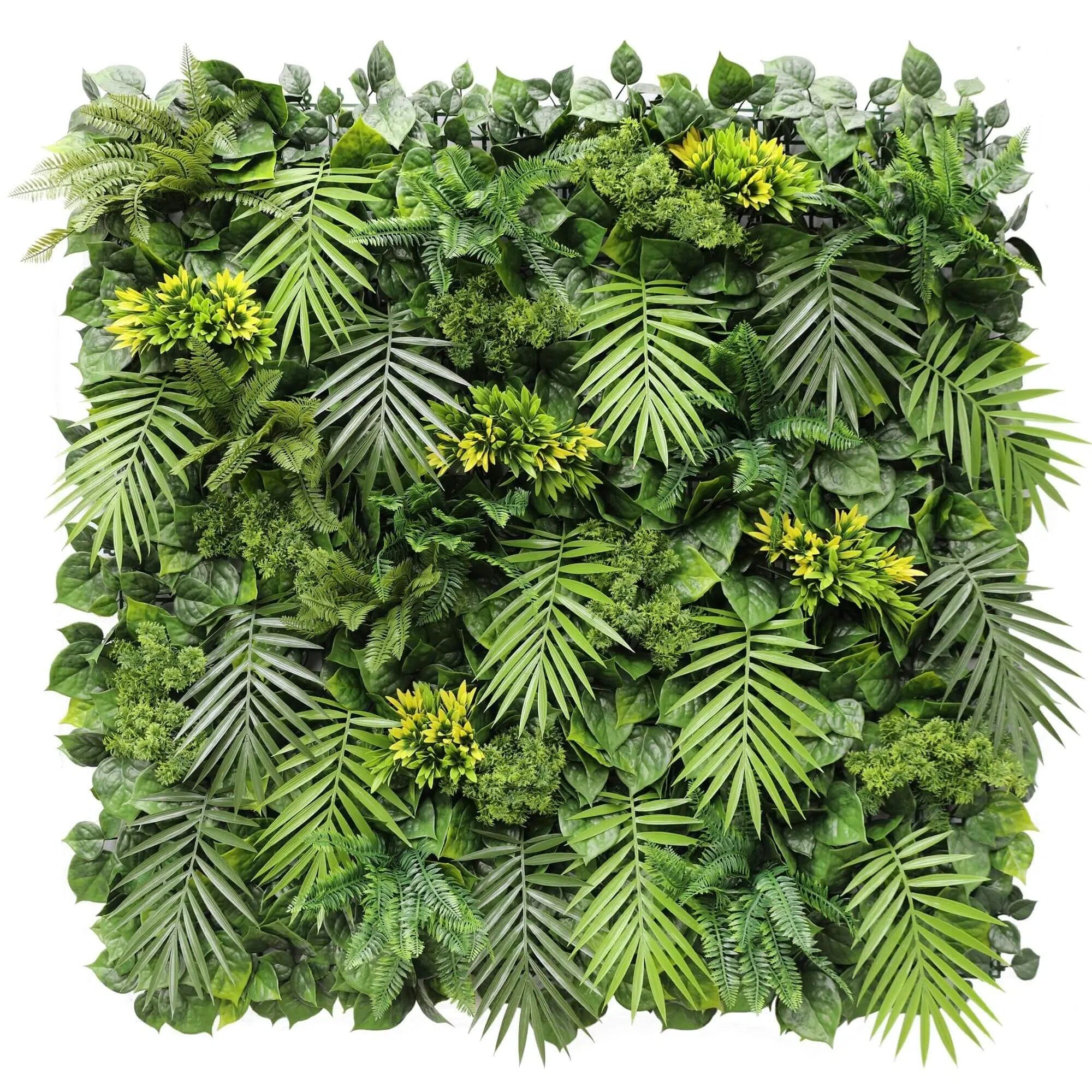
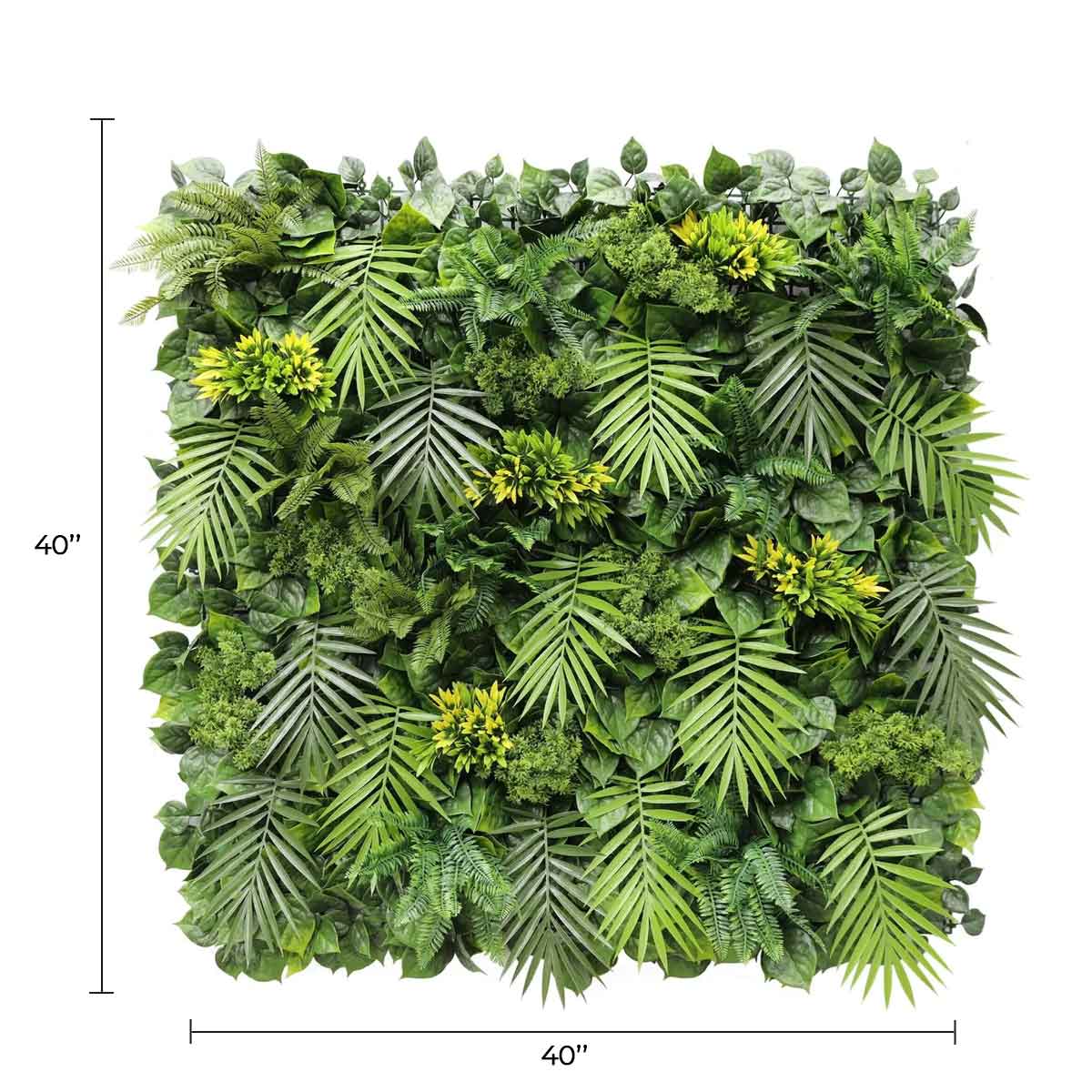
- In stock

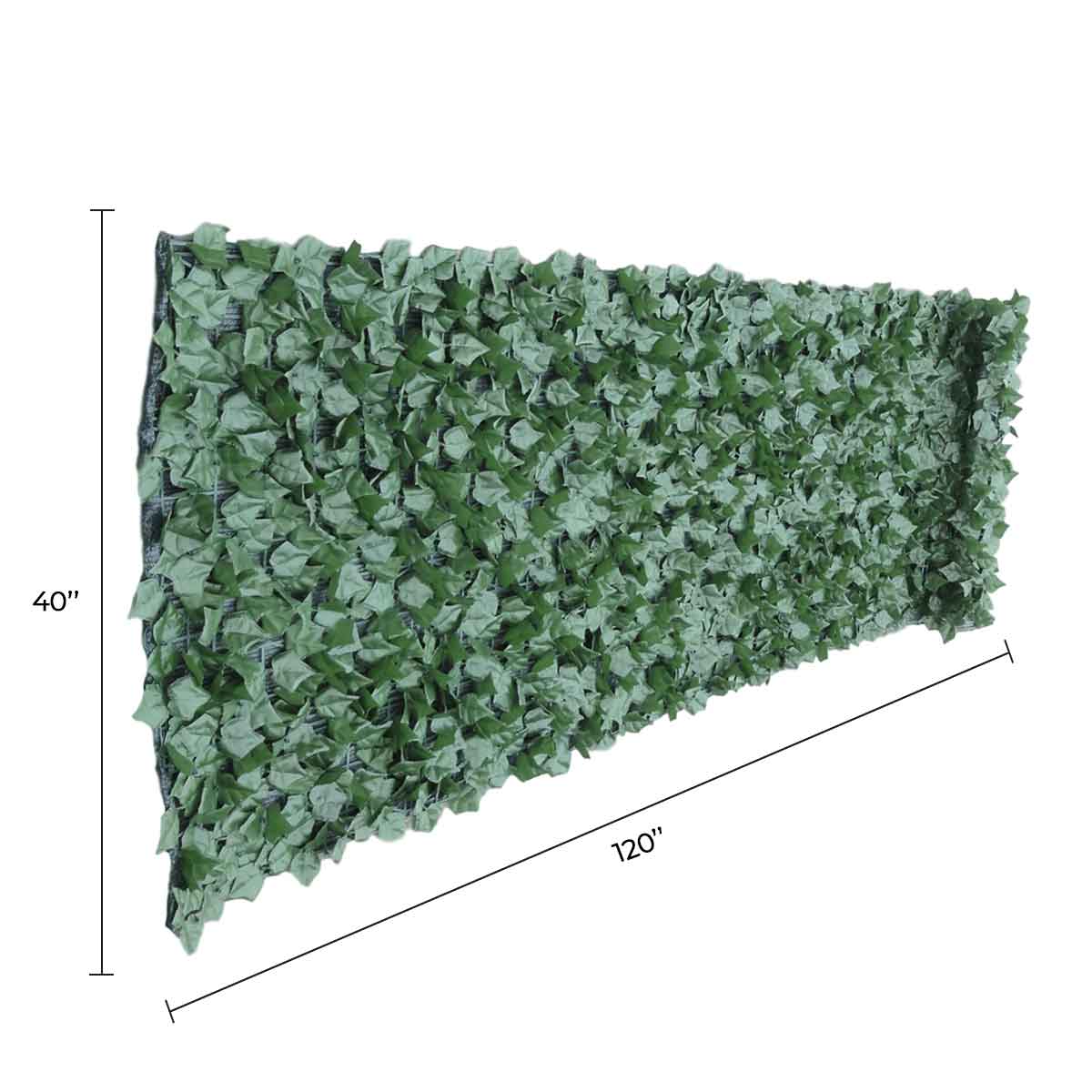
- In stock
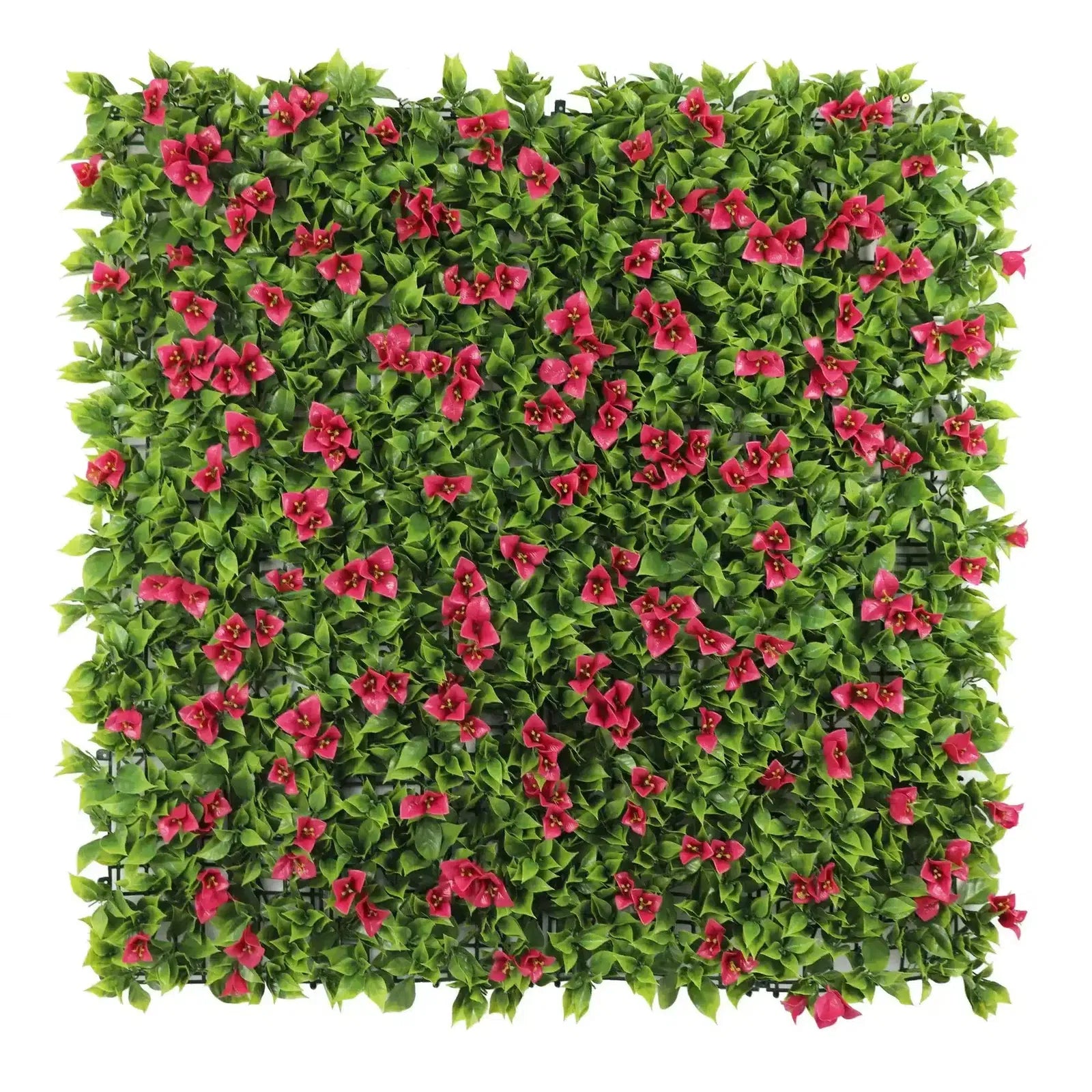
- In stock

- In stock

- In stock
- In stock

- In stock
- In stock

- In stock
- In stock
- In stock
- In stock
- In stock
- In stock
- In stock

- In stock
- In stock

- In stock
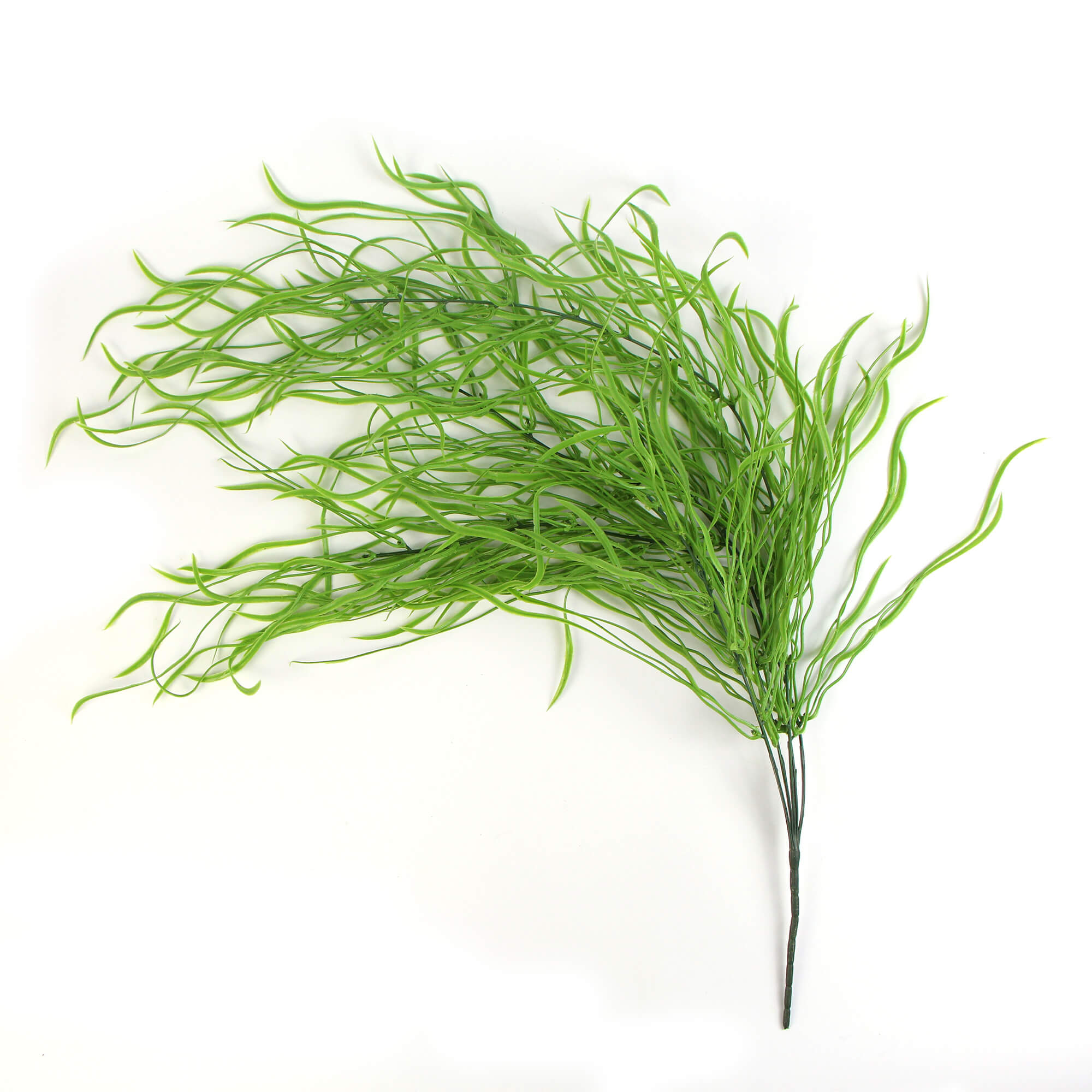
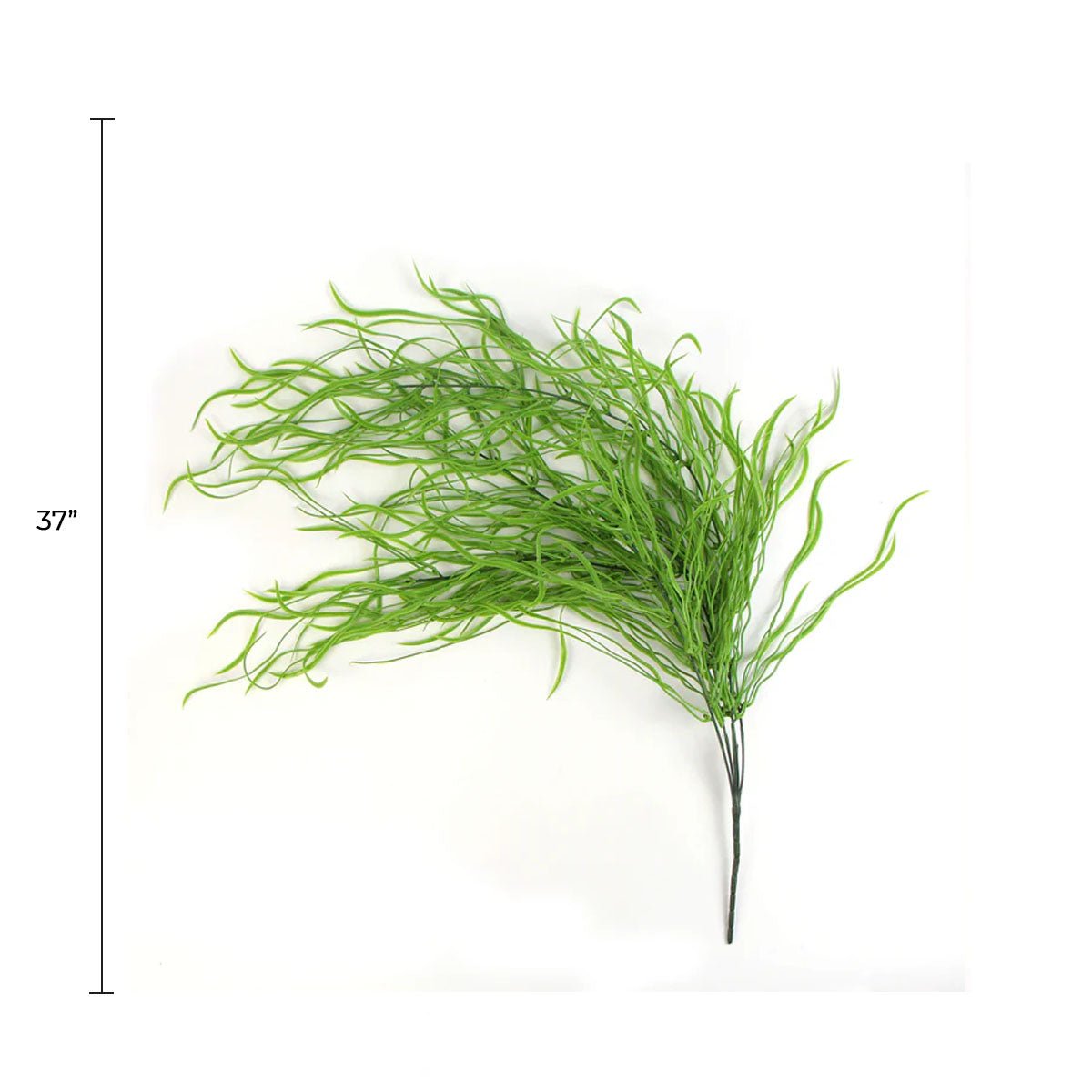
- In stock
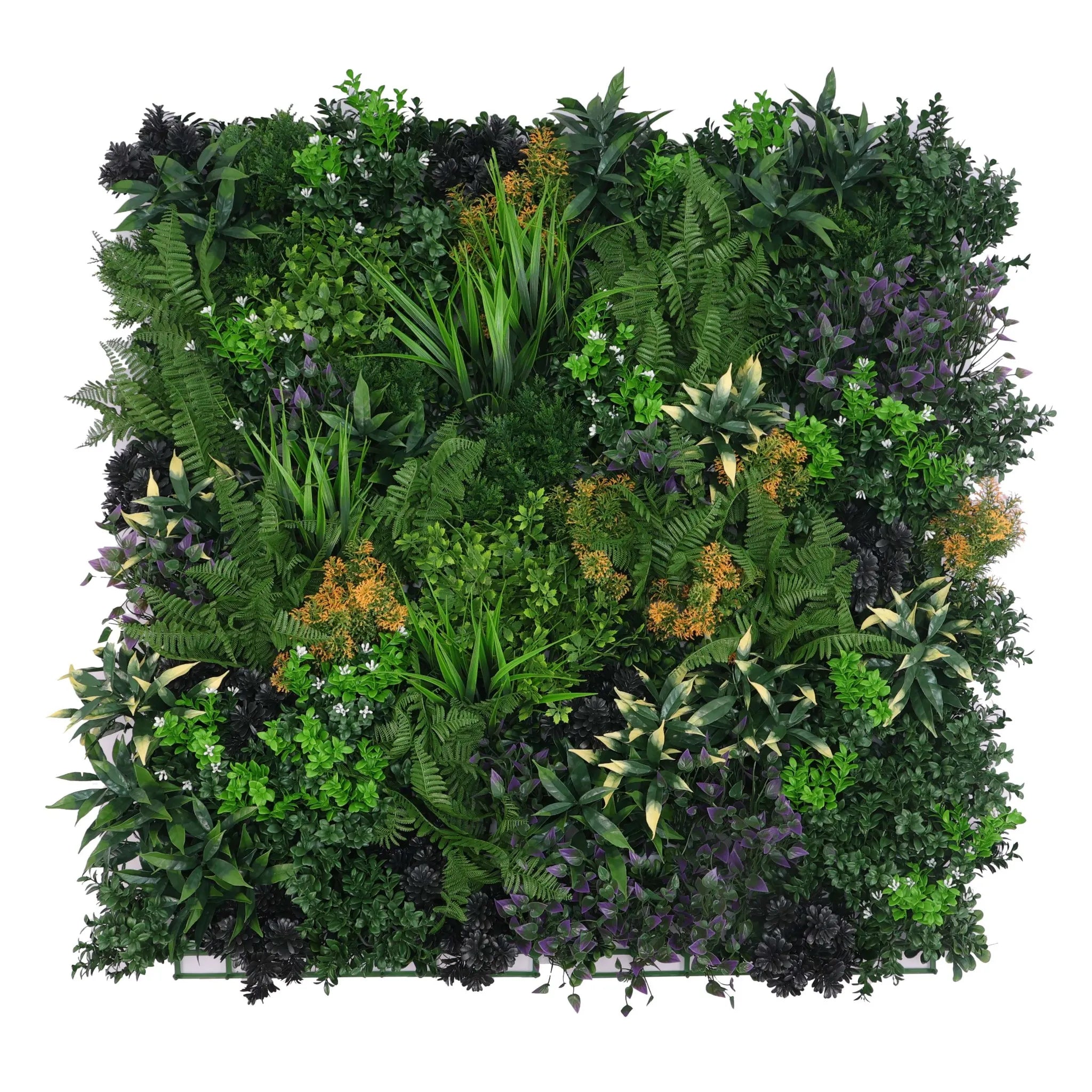
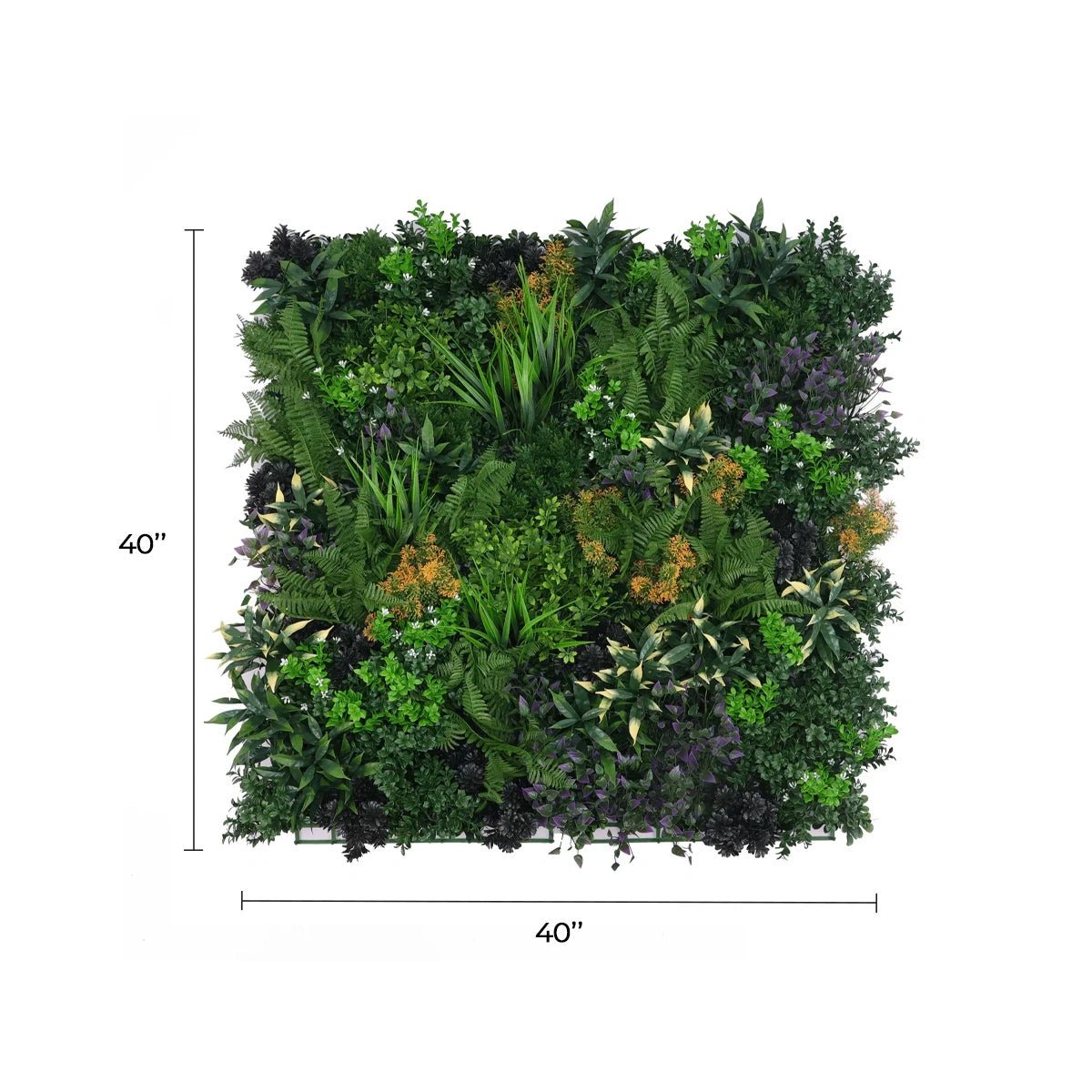
- NFPA 701
- In stock
- In stock
- In stock

- In stock
- NFPA 701
- In stock

- In stock

- In stock
- In stock
- In stock
- In stock
- In stock


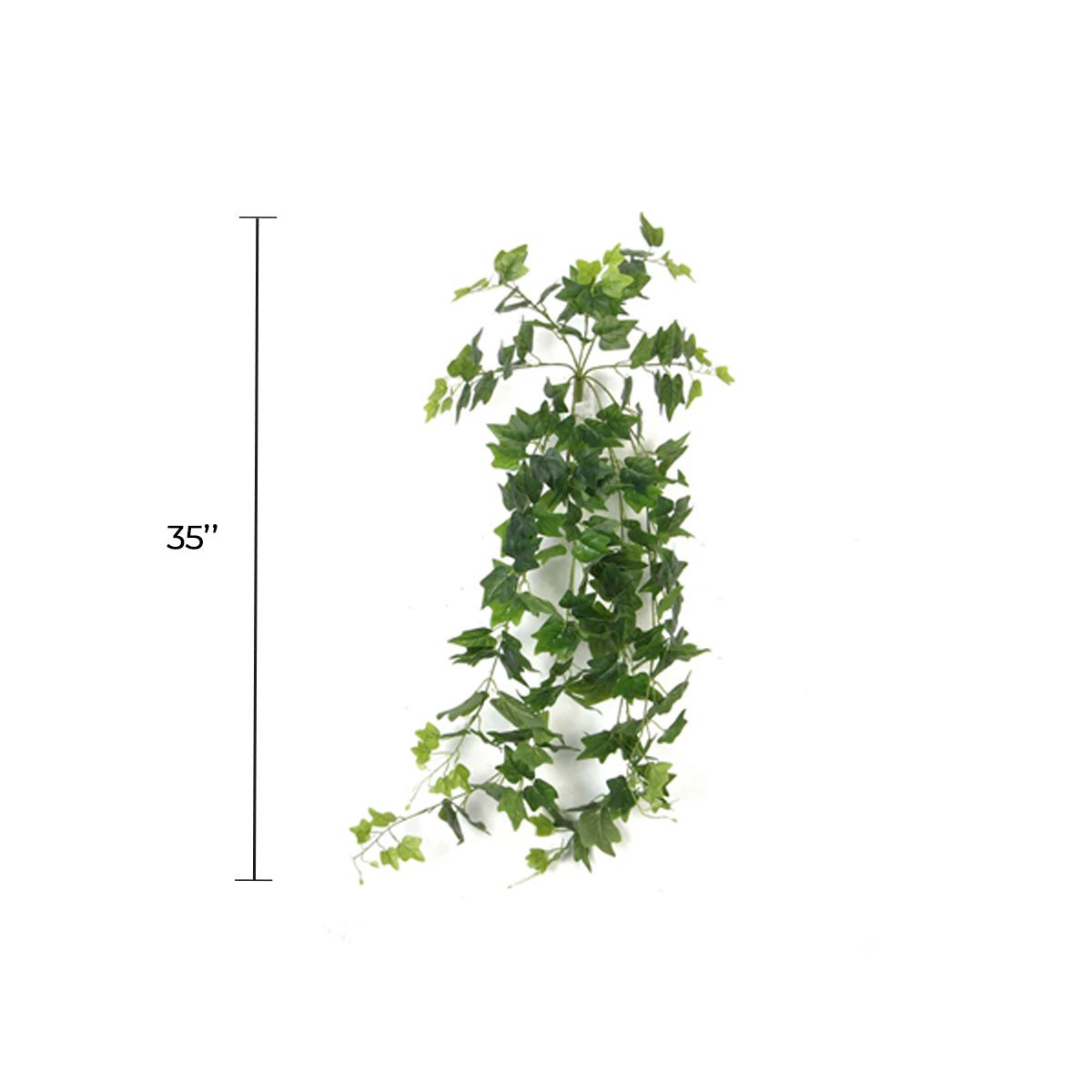
- In stock
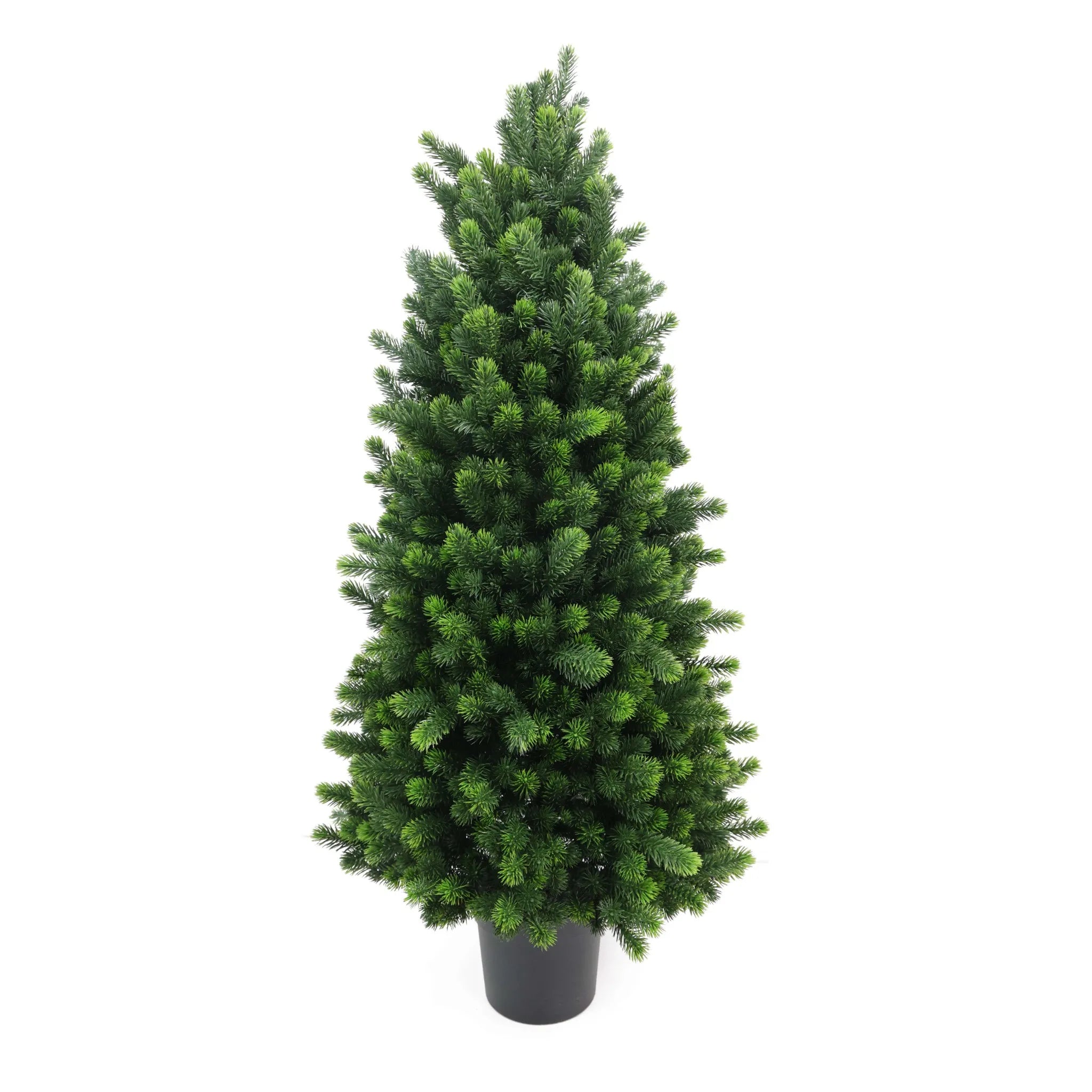
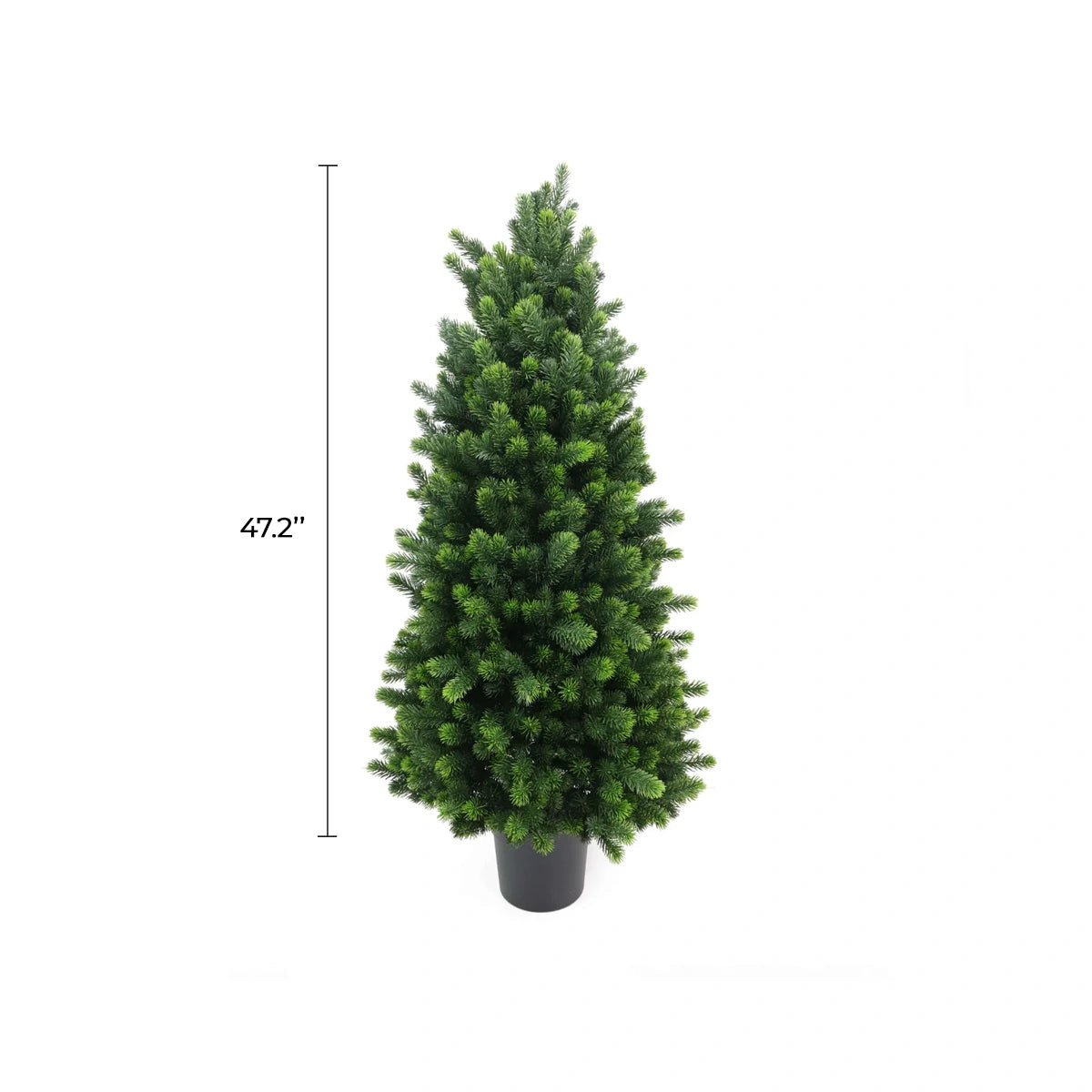
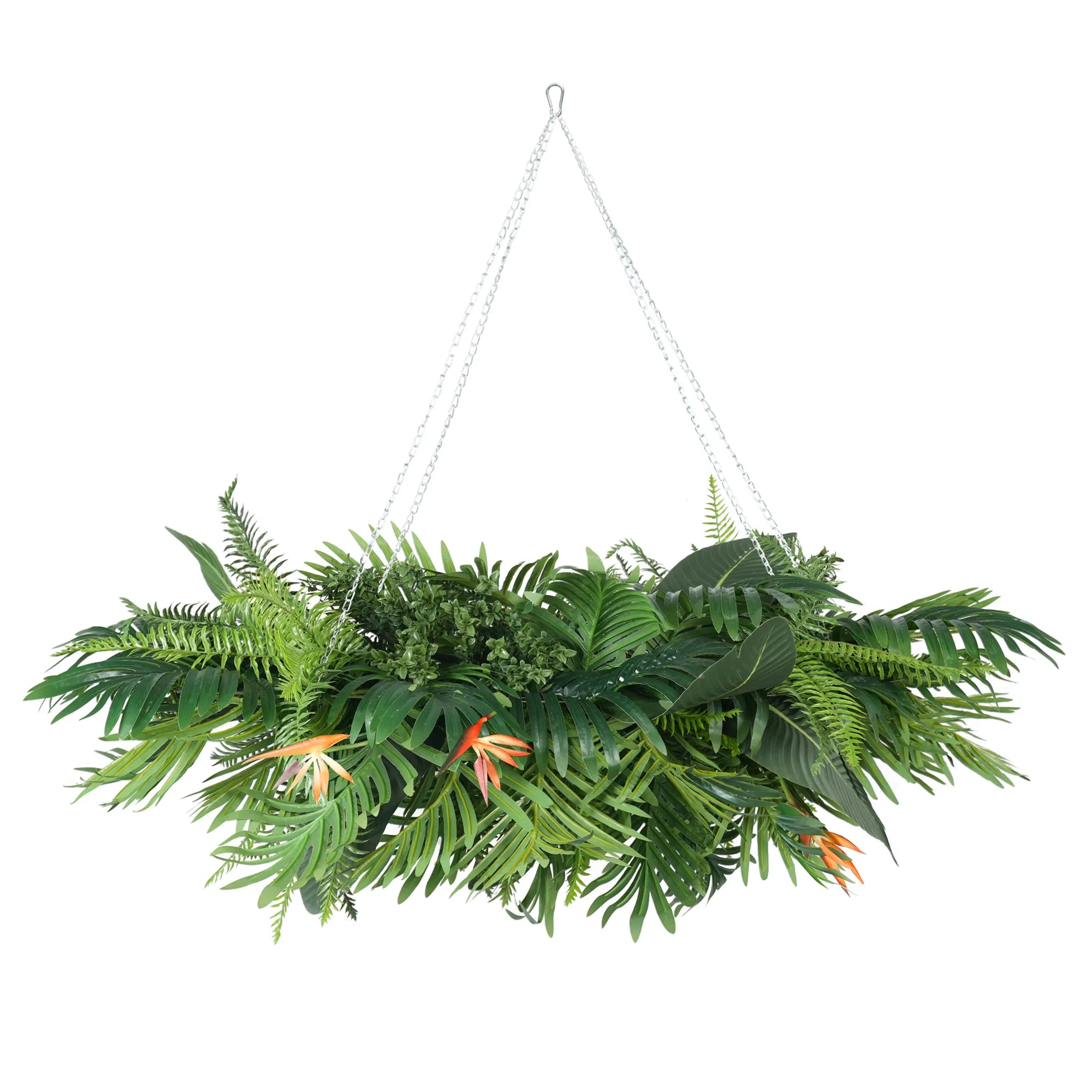
- In stock
- Sold out
Browse The Full Artificial Plant Range
Pair green wall panels with hedges, garlands, and installation parts from the same range.

Artificial Hedges
Freestanding artificial hedges for instant privacy and screening.
Shop the range ›
Artificial Boxwood Hedge Panels
Dense boxwood panels and rolls for classic green walls.
Shop the range ›
Green & Living Wall Panels
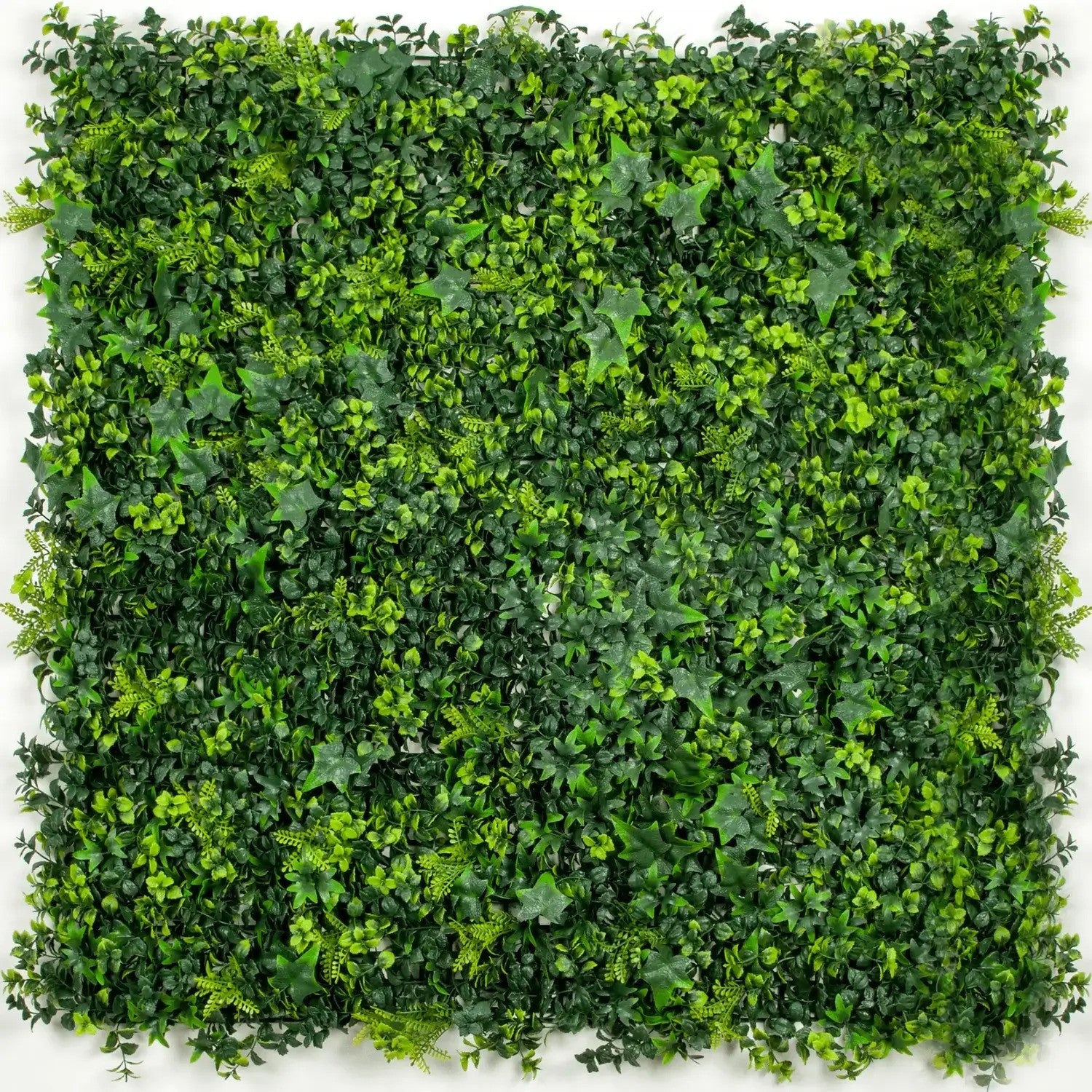
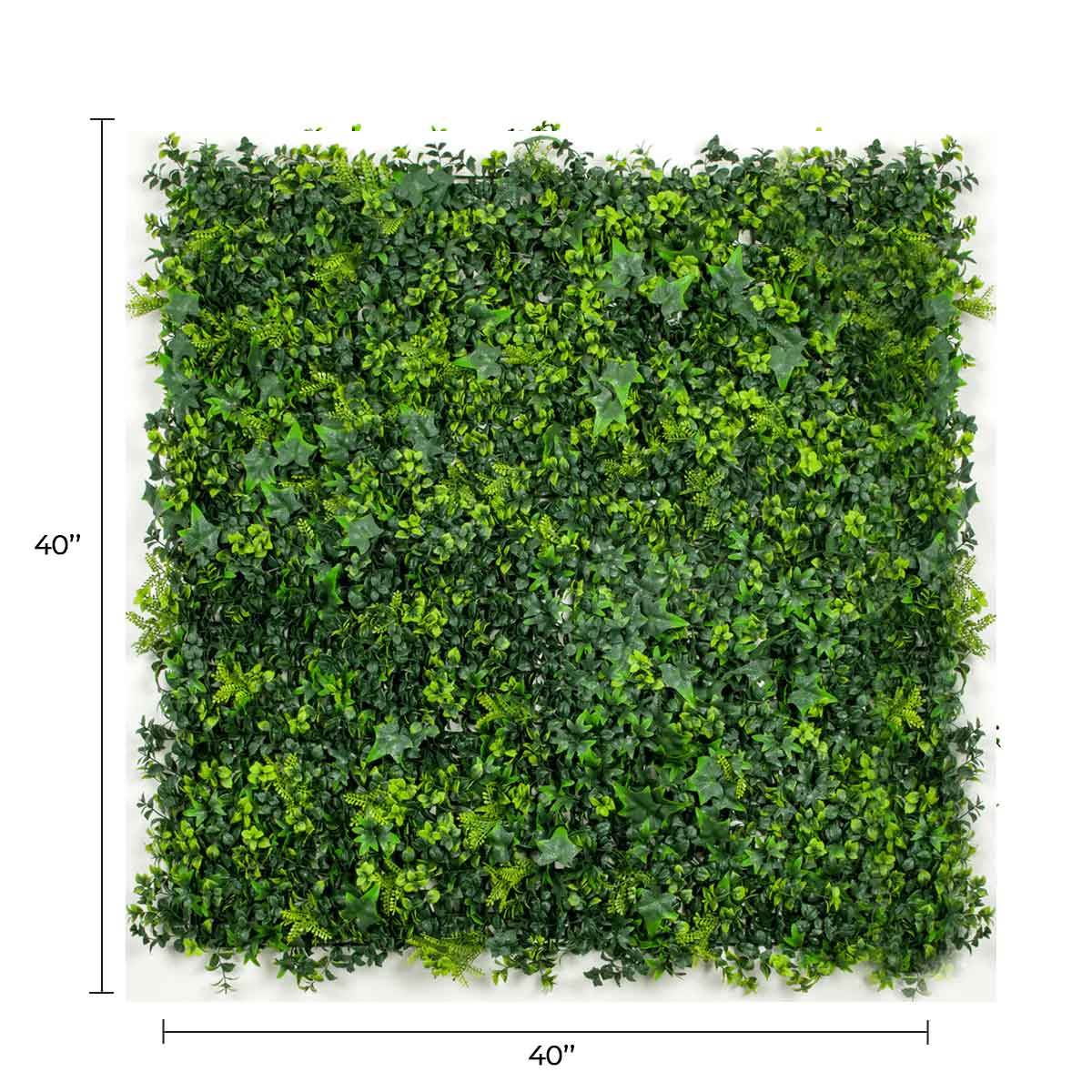
Lifelike green wall panels for indoor and outdoor projects.
Shop the range ›
Artificial Vertical Garden Panels
DIY vertical garden panels for fast feature-wall transformations.
Shop the range ›Commercial Installations for Global Brands






Designer Plants Five Key Technologies
Designer Plants enduring lifelike designs. Built to last more than 20 times longer than competitors and designed as a precise match of nature, Designer Plants leads the world in artificial plant design.


Clearance Range – End-of-Line Designer Plants Stock
The Clearance range covers Designer Plants products at the end of their distribution cycle in the US warehouses — typically pieces being phased out, seasonal stock from prior years, or surplus from large project orders. Every piece carries the same UV-certified, commercial-grade build quality as the standard range.
Quantities are limited and stock turns quickly. Pieces in the Clearance range are not restocked once sold out. Warranty cover and shipping terms remain identical to the standard range.
How to Style Artificial Plants Like a Designer
How can artificial plants be made to look more expensive?
Three details separate a styled artificial plant from one that looks decorative. First, scale the planter correctly to the plant — the foliage should occupy roughly 1.5 to 2 times the height of the pot for a balanced silhouette. Second, top-dress the soil line with natural moss, bark chips, river pebbles, or sheet moss to eliminate the visible plastic base. Third, fluff and shape the foliage on arrival — manufactured pieces are compressed for shipping, and 5 minutes of bending each branch outward into a natural form transforms how the plant reads at any distance.
What should be used to top-dress an artificial plant?
The most natural finish comes from layering two materials. Sheet moss laid flat across the base hides the planting medium. Bark chips, river pebbles, or decorative gravel scattered over the moss add textural depth that catches light naturally. For tropical and palm varieties, larger bark pieces read most authentically; for boxwood and topiary, smaller pebbles or finely shredded bark work better. The top-dressing layer should be 1–2 inches deep and slightly mounded toward the center.
How should an artificial plant be potted up?
If the supplied pot is being kept, no potting is required — add a top-dressing layer (see above) and fluff the foliage. If the plant is being moved into a decorative planter, the steps are: place the original nursery pot inside the new planter with crumpled paper or foam beneath it to lift to the correct height; pack the gap around the nursery pot with sheet moss or expanding foam for stability; then top-dress over the entire surface to conceal the join. This approach keeps the plant moveable for cleaning and rearrangement.
What planter style works best with artificial plants?
Matte ceramic, terracotta, woven seagrass, and concrete planters all complement artificial foliage by adding natural material variation. Glossy plastic and high-shine metal planters tend to amplify the manufactured look of the foliage by creating visual contrast with the plant material. For statement pieces, an oversized planter (proportioned to the room rather than the plant) reads as intentional design; for smaller plants, a textured ceramic or terracotta pot in a neutral tone is the safest choice.
Where should artificial plants be placed for the most natural look?
Three placement principles improve the realism of any artificial plant. First, place near a natural light source — a window, lamp, or skylight — since the brain reads plants as live when they are positioned where a live plant would naturally thrive. Second, group plants in odd numbers (one, three, or five) at varying heights rather than evenly spaced pairs; nature rarely arranges itself symmetrically. Third, position slightly off-center rather than dead-center on a console, mantel, or shelf — perfect symmetry signals manufactured placement.
How are artificial plants kept looking fresh over time?
Two maintenance habits keep artificial plants looking new. Dust the foliage every 4–6 weeks using a soft microfiber cloth, a feather duster, or a low setting on a hairdryer — dust accumulation is the single largest cause of artificial plants looking dull. For deeper cleaning every 6–12 months, use the Designer Plants Eco-Home Safe Artificial Plant Cleaner — the only cleaner specifically formulated to lift dust and grime from RealTex™ and UVTex™ foliage without degrading the UV inhibitor coating. Avoid alcohol-based sprays, solvents, bleach, ammonia, abrasive scourers, and pressure washers — these all strip the UV coating and may void warranty cover. Outdoor pieces benefit from a gentle hose rinse seasonally to remove pollen, salt, and airborne grit.
Are clearance pieces lower quality than the standard range?
No. Designer Plants clearance pieces are end-of-line stock from the standard range — same RealTex™ material technology, same construction, same UV certification where applicable, same 5-year warranty on UV-rated products. The clearance pricing reflects stock cycle position, not product grade. The only difference is that clearance pieces are not restocked once sold out.
Commercial Grade.
Made for Lasting Impact.
Designed for demanding environments, Designer Plants artificial greenery combines realistic detail with the durability required for commercial and residential installations. Built for hospitality, retail, workplaces, architectural projects, and complex residential spaces, our products deliver reliable performance, easy maintenance, and a consistent finish at any scale.
Hospitality & F&B
Artificial greenery for hotels, restaurants, and bars, designed for high-impact spaces.
Corporate & Workplace
Biophilic design solutions for offices, reception areas, and professional environments.
Trade & Project Accounts
Dedicated support, commercial pricing, and scalable solutions for larger projects.

